Visual Management Beyond the Board: How Digital Andon Systems Are Redefining Gemba Walks
Visual Management Beyond the Board: How Digital Andon Systems Are Redefining Gemba Walks
Visual Management Beyond the Board: How Digital Andon Systems Are Redefining Gemba Walks
The factory floor has always been the heart of operational excellence. For decades, visual management boards with color-coded cards have guided improvement efforts. Production metrics were scrawled on whiteboards. Static andon lights signaled problems. These tools supported gemba walks and continuous improvement. But as manufacturing enters the Industry 4.0 era, these traditional tools are evolving into something far more powerful.
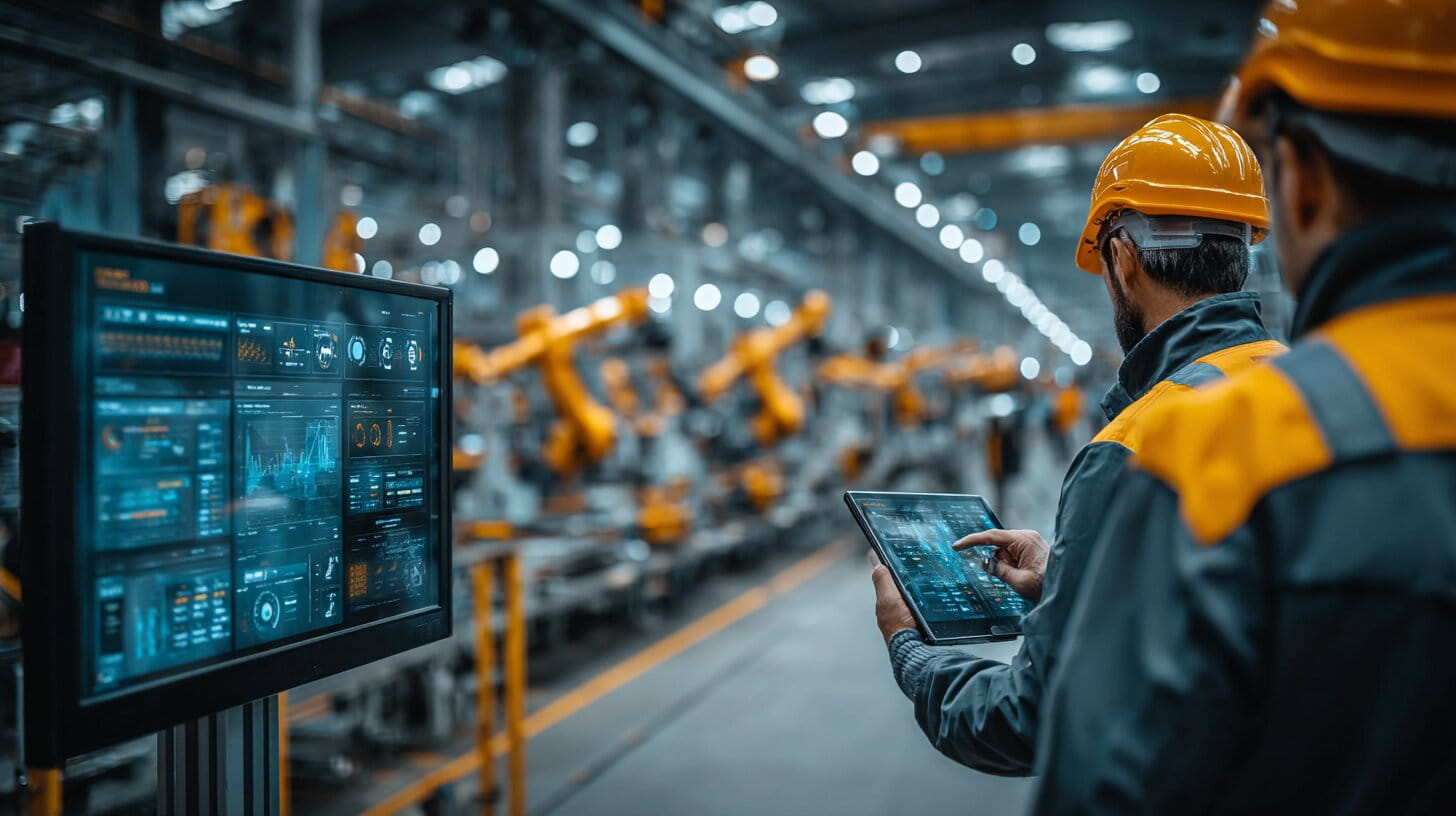
Digital andon systems and real-time dashboards are transforming how leaders conduct gemba walks. They’re changing how teams engage with visual management practices. This evolution isn’t about replacing the core principles of Lean manufacturing. It’s about amplifying them through technology. These systems deliver unprecedented visibility, responsiveness, and analytical capability.
The Evolution of Visual Management in Manufacturing
Visual management has been a cornerstone of Lean manufacturing since Toyota pioneered these practices. The principle is elegantly simple: make problems, processes, and performance visible to everyone. This allows abnormalities to be identified and addressed immediately.
Traditional visual management tools include several familiar elements. Shadow boards organize tools. Kanban cards control inventory. Standard work charts are posted at workstations. Andon cords allow workers to signal issues. These physical systems create transparency. They empower frontline employees to identify and escalate problems quickly.
However, traditional visual management has inherent limitations. Physical boards require manual updates. This creates lag between when data is generated and when it becomes visible. Information is localized to specific areas of the factory floor. This makes it difficult for leaders to gain enterprise-wide visibility. Perhaps most critically, static displays offer limited analytical capability. They show you what’s happening now. But they provide little context about trends, root causes, or predictive insights.
This is where digital transformation meets continuous improvement methodology.
Digital Andon Systems: Real-Time Problem Escalation
The andon system has been reimagined for the smart factory era. Originally, it was a simple light or cord that workers used to signal production issues. Digital andon systems maintain the fundamental purpose of their predecessors. But they add layers of functionality that dramatically improve response times and problem resolution.
Modern digital andon systems integrate with machinery, quality systems, and communication networks. They automatically detect anomalies and alert the appropriate personnel. When a machine deviates from normal operating parameters, the system responds. When quality defects are detected, it takes action. When production falls behind schedule, it notifies the right people. The system doesn’t just illuminate a light. It sends targeted notifications to maintenance technicians, supervisors, and engineers through mobile devices. It provides detailed context about the issue. And it begins logging data for root cause analysis.
This immediate escalation transforms the gemba walk experience. Rather than discovering problems during scheduled floor walks, leaders receive real-time alerts. These alerts draw them to specific issues as they occur. The gemba walk becomes more dynamic and responsive. It’s guided by actual problems rather than scheduled routes alone.
How Digital Andon Systems Work in Practice
Consider a scenario where a CNC machine begins experiencing vibration outside normal parameters. A traditional andon might illuminate a yellow light. That light could go unnoticed for minutes or hours.
A digital andon system works differently. It detects the anomaly through integrated sensors. It immediately notifies the maintenance team with specific diagnostic data. It alerts the production supervisor. And it logs the event with timestamp and machine status information.
By the time a leader arrives for their gemba walk, they can see more than just the current issue. They can review patterns of similar events. They can check time-to-resolution metrics. They can examine predictive indicators of potential failures.
Real-Time Dashboards: Visual Management at Enterprise Scale
Digital andon systems focus on problem detection and escalation. Real-time dashboards provide the comprehensive visibility needed for strategic decision-making during gemba walks. These dashboards aggregate data from across the manufacturing operation. They pull in production rates, quality metrics, equipment effectiveness, inventory levels, and workforce productivity. They present this information in intuitive visual formats. These formats are accessible from mobile devices, wall-mounted displays, or workstations throughout the facility.
The power of real-time dashboards lies in their ability to provide context. A production supervisor conducting a gemba walk can pull up a dashboard. It shows that Line 3 is running at 82% of target rate. But the dashboard goes further. It reveals that this represents a 7% decline from yesterday. The slowdown began at 10:23 AM following a changeover. The primary bottleneck is at Station 5 where cycle time has increased by 15 seconds per unit.
This level of insight transforms gemba walks from observational exercises into targeted problem-solving sessions. Leaders arrive at workstations armed with data. They’re ready to ask informed questions. They can engage in meaningful dialogue with operators about root causes and countermeasures.
Key Metrics Visible Through Real-Time Dashboards
Effective real-time dashboards in smart factory environments typically display several critical categories of information:
Overall Equipment Effectiveness (OEE): Real-time calculation of availability, performance, and quality metrics provides immediate visibility. It shows asset utilization and loss categories clearly.
Production Status: Live updates on production counts against targets keep teams aligned. Schedule adherence and work-in-progress inventory levels are visible at a glance. This helps teams stay aligned on priorities.
Quality Metrics: Defect rates, first-pass yield, and scrap tracking enable immediate response. Teams can address quality deviations before they become systemic issues.
Predictive Maintenance Indicators: Equipment health scores help prevent unplanned downtime. Remaining useful life estimates and maintenance schedules provide advance warning of potential problems.
Customization for Different Organizational Levels
One of the most significant advantages of digital dashboards is their ability to present different views for different roles. Operators see detailed, task-specific information about their immediate work area. Supervisors view department-level metrics with drill-down capability. Plant managers access facility-wide performance with trend analysis. This hierarchical approach to visual management ensures that everyone has the information they need. It doesn’t overwhelm them with irrelevant data.
Transforming the Gemba Walk Experience
The integration of digital andon systems and real-time dashboards fundamentally changes how leaders approach gemba walks. Traditional gemba walks followed predictable patterns. Leaders walked the same routes at scheduled times. They observed work processes. They asked standardized questions. They reviewed physical visual management boards. While valuable, this approach was reactive. It was limited by the information available at static display points.
Smart factory gemba walks are dynamic, data-driven, and far more targeted. Leaders still spend time on the floor observing actual work. They still engage with frontline employees. This core principle of going to gemba remains unchanged. But they now arrive equipped with rich contextual information. This guides their focus and enables deeper problem-solving conversations.
The Connected Gemba Walk
Imagine a plant manager beginning her morning gemba walk. She reviews the facility dashboard on her tablet. She immediately notices that Cell 4 has experienced three andon activations in the past hour. This is significantly above normal. The digital andon system has logged each event: two material shortages and one quality hold.
Rather than following her standard route, she heads directly to Cell 4. En route, she reviews additional dashboard data. It shows that inventory levels of the specific component are adequate. This suggests the material shortage might be a conveyance or kanban issue. It’s probably not a supply problem. She also sees that the quality hold was released after 12 minutes. But the defect rate for that product family has trended upward over the past three days.
When she arrives at Cell 4, she’s not conducting a general observation. She’s engaging in targeted problem-solving. She can ask specific questions: “I see we’ve had material shortages this morning. What’s causing the delay in replenishment?” And: “I notice our defect rate has been climbing. What hypotheses do we have about root cause?”
This is gemba at a higher level of sophistication. It’s enabled by digital visual management tools. But it remains grounded in the fundamental Lean principle of going to the place where value is created. The goal is to understand problems and engage with the people doing the work.
Integration with Continuous Improvement Methodologies
Digital visual management tools don’t replace continuous improvement methodologies. They enhance them. Six Sigma practitioners find that real-time dashboards provide the baseline data they need. The dashboards show variation visibility needed to identify improvement opportunities. They help measure the impact of changes.
Kaizen teams use digital andon logs to prioritize which problems to tackle. They can sort by frequency and impact. Total Productive Maintenance (TPM) programs leverage predictive analytics from connected equipment. This allows them to shift from reactive to preventive and predictive maintenance strategies.
The data captured by these digital systems also supports more rigorous root cause analysis. When a problem occurs, digital andon systems have already captured detailed contextual information. This includes machine settings, environmental conditions, operator actions, and material batch numbers. This eliminates the guesswork and recall bias that often plague problem-solving efforts. It removes reliance on operator memory and observation alone.
Implementation Considerations and Change Management
The benefits of digital andon systems and real-time dashboards are compelling. But successful implementation requires thoughtful change management. Organizations need a clear understanding of objectives.
Start with Purpose, Not Technology
The most common pitfall in digital transformation initiatives is focusing on technology before clearly defining the business problem. Before implementing digital visual management tools, organizations should ask several questions. What decisions do we want to enable? What problems are we trying to detect faster? What information gaps currently limit our effectiveness?
A clear purpose ensures that technology implementation serves operational excellence goals. It prevents technology from becoming a distraction.
Maintain the Human Element
Digital tools should enhance human interactions, not replace them. The human interactions are what make gemba walks valuable. The purpose of going to gemba isn’t simply to collect data. It’s to build relationships. It’s to demonstrate leadership commitment. It’s to understand work from the perspective of those doing it. And it’s to create a culture of continuous improvement.
Leaders must resist the temptation to conduct “virtual gemba walks” from their offices. Relying solely on dashboard data misses the point. The physical presence on the floor matters. The informal conversations matter. The ability to observe nuances that sensors can’t capture matters. These remain irreplaceable elements of effective visual management.
Ensure Data Quality and Trust
Digital visual management is only as good as the data feeding it. If operators don’t trust that the real-time dashboard accurately reflects reality, adoption will suffer. If digital andon systems generate frequent false alarms, the tools will lose credibility.
Invest in sensor accuracy. Establish clear protocols for data entry where manual input is required. Create feedback mechanisms so frontline employees can flag and correct data quality issues.
The Future of Visual Management in Smart Factories
The evolution of visual management continues beyond today’s digital andon systems and real-time dashboards. Emerging technologies promise even greater capabilities.
Augmented Reality (AR) Gemba Walks: Leaders wearing AR glasses could see real-time performance metrics overlaid directly on equipment. They could access digital standard work instructions while observing processes. They could visualize historical trend data contextually positioned in their field of view.
Artificial Intelligence and Machine Learning: Predictive algorithms will move beyond detecting when problems occur. They’ll forecast when problems are likely to occur. This enables truly preventive intervention. AI-powered systems might analyze patterns across multiple factories. They could suggest countermeasures based on what worked in similar situations elsewhere.
Voice-Activated Visual Management: Hands-free interaction with data systems could allow operators and leaders to query dashboards. They could update andon status or request information without interrupting workflow.
Despite these technological advances, the fundamental principles of visual management remain constant. Make problems visible. Enable rapid response. Empower frontline employees. Create transparency that drives continuous improvement.
Conclusion: Amplifying Lean Principles Through Digital Innovation
Digital andon systems and real-time dashboards represent the natural evolution of visual management for the smart factory era. They don’t abandon the core principles established by Lean pioneers. They amplify them. They provide visibility, responsiveness, and analytical capability that were previously impossible.
The most successful implementations recognize that these tools serve a timeless purpose. They enable leaders to see reality. They help leaders understand problems deeply. They allow leaders to engage meaningfully with the people and processes creating value. The gemba walk remains essential. But it’s now informed by richer data. It’s guided by real-time insights. And it’s capable of driving improvement at unprecedented speed and scale.
As manufacturing continues its digital transformation journey, visual management will continue evolving. But whether displayed on a physical board or a real-time dashboard, its purpose remains unchanged. Making the invisible visible so that excellence becomes achievable.
Continue the conversation in the LeanIQ Hub
A unified intelligence platform for UK manufacturing and industrial professionals. From aerospace to automotive, supply chain to skills: curated news, verified peer discussion, and supplier discovery in one place.
Start Exploring